


#SMECAssembly2026 #EUSMEWeek #PromotingEnterprise #EU2026IE #EUClusters #ECCP
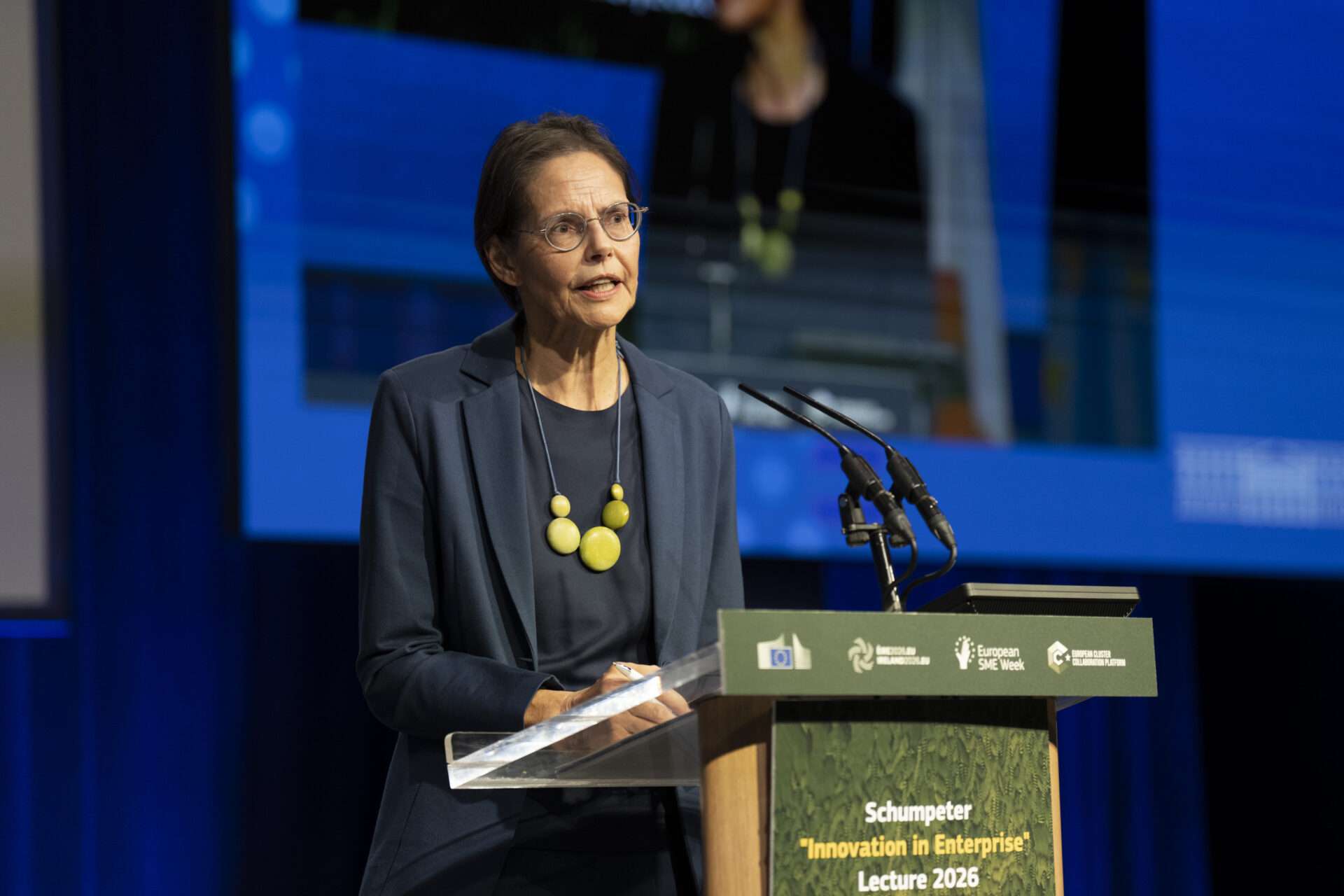
At the SME & Clusters Assembly 2026 in Dublin, Professor Johanna Mair challenged Europe’s approach to competitiveness. Drawing on Joseph Schumpeter’s theory of creative destruction, she argued that technological innovation and investment are not enough.
Europe must also strengthen the institutions and collective capabilities that allow businesses to grow, adapt and compete.
But can this vision address the practical obstacles facing European companies?
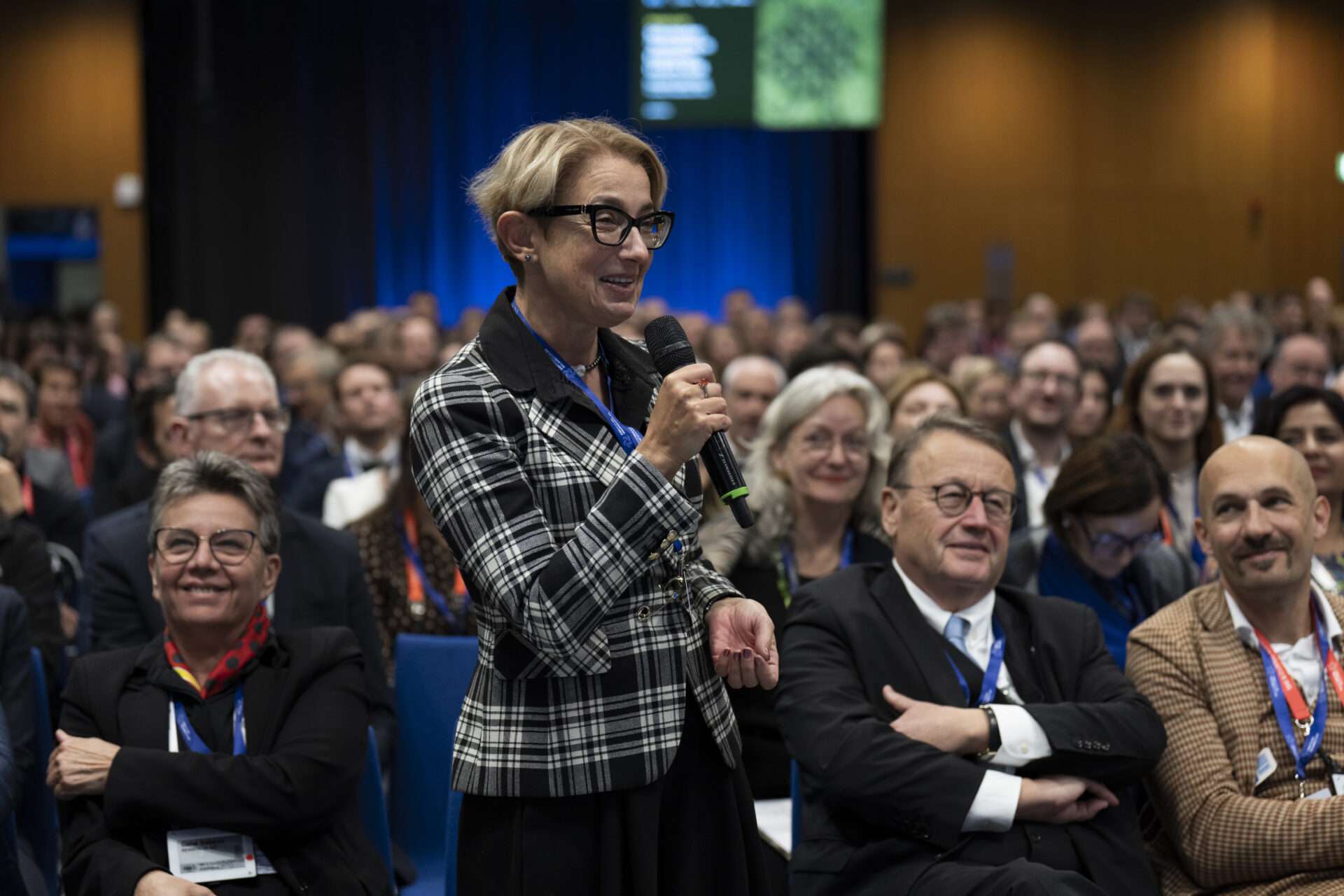
The first question after the Schumpeter Innovation in Enterprise Lecture went straight to the technology dominating Europe’s competitiveness debate.
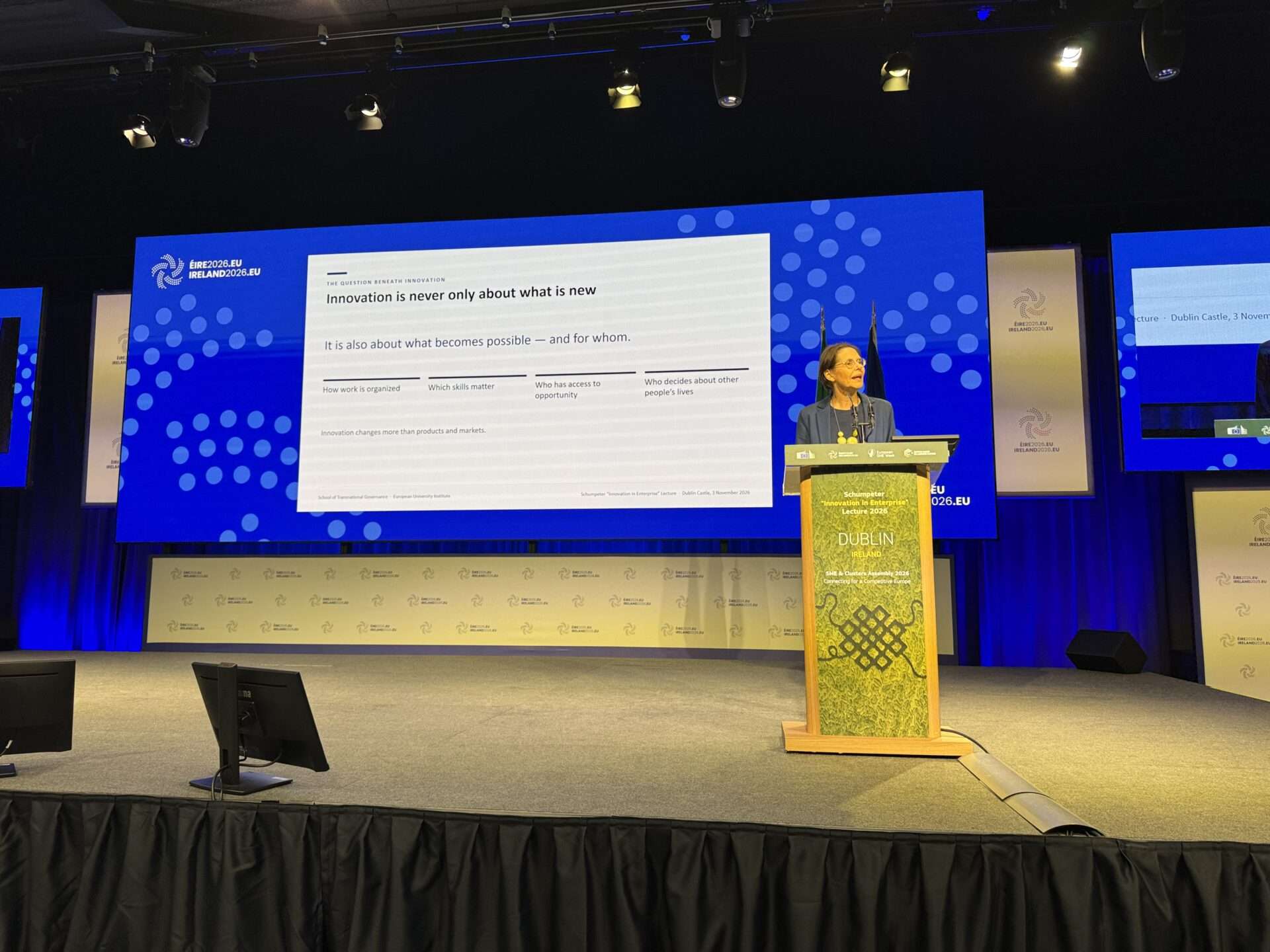
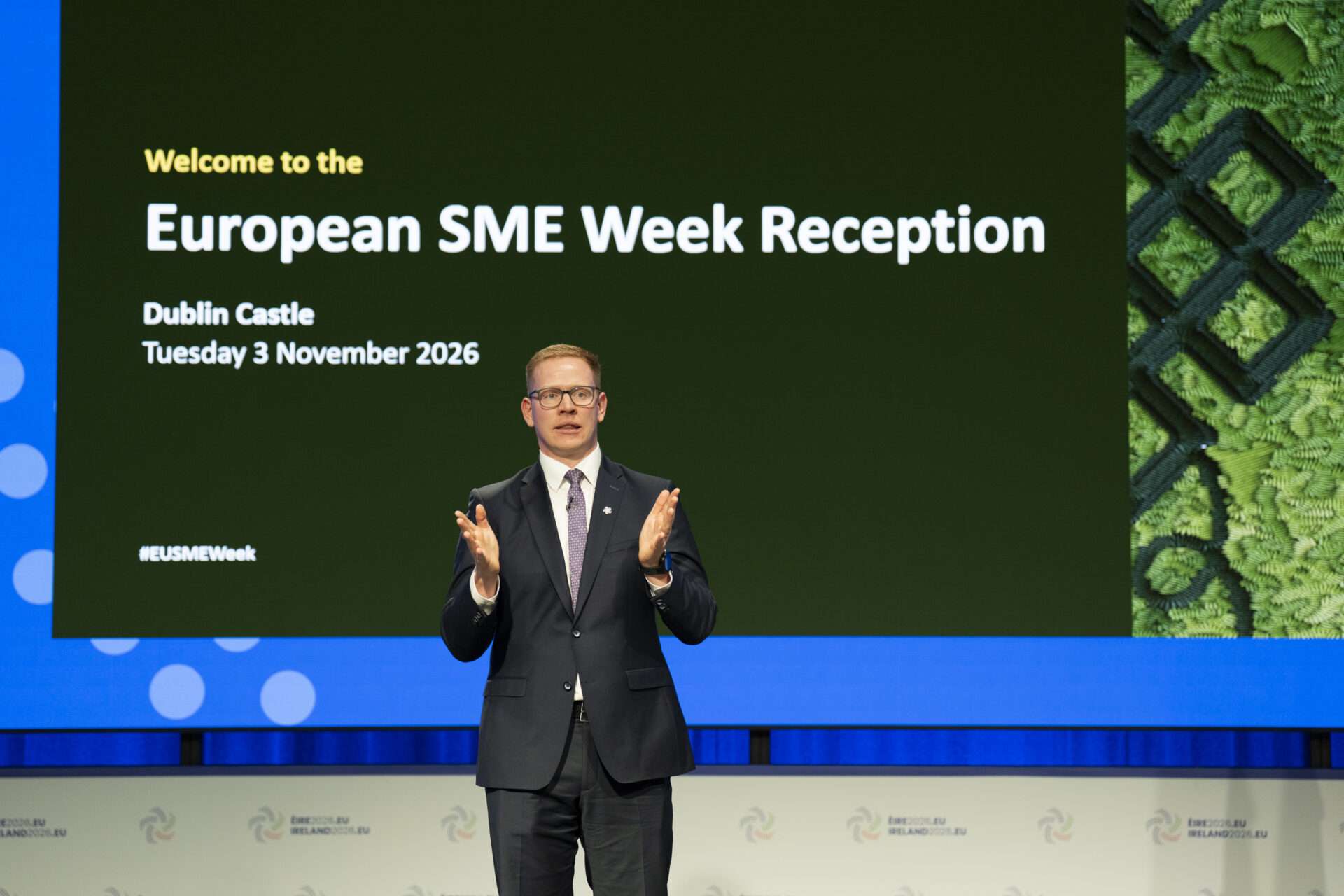
At Dublin Castle on 3 November 2026, Professor Johanna Mair had delivered a speech about innovation without explicitly mentioning AI.
The exchange illustrated the central argument of her lecture, From Creative Destruction to Creative Reconstruction. Technological breakthroughs can transform industries, but their economic and social consequences depend on whether businesses and institutions have the capacity to manage change.
A later question from Enda O’Coineen, publisher and chief executive of Ireland’s Business Post Group, brought that argument into sharper focus.
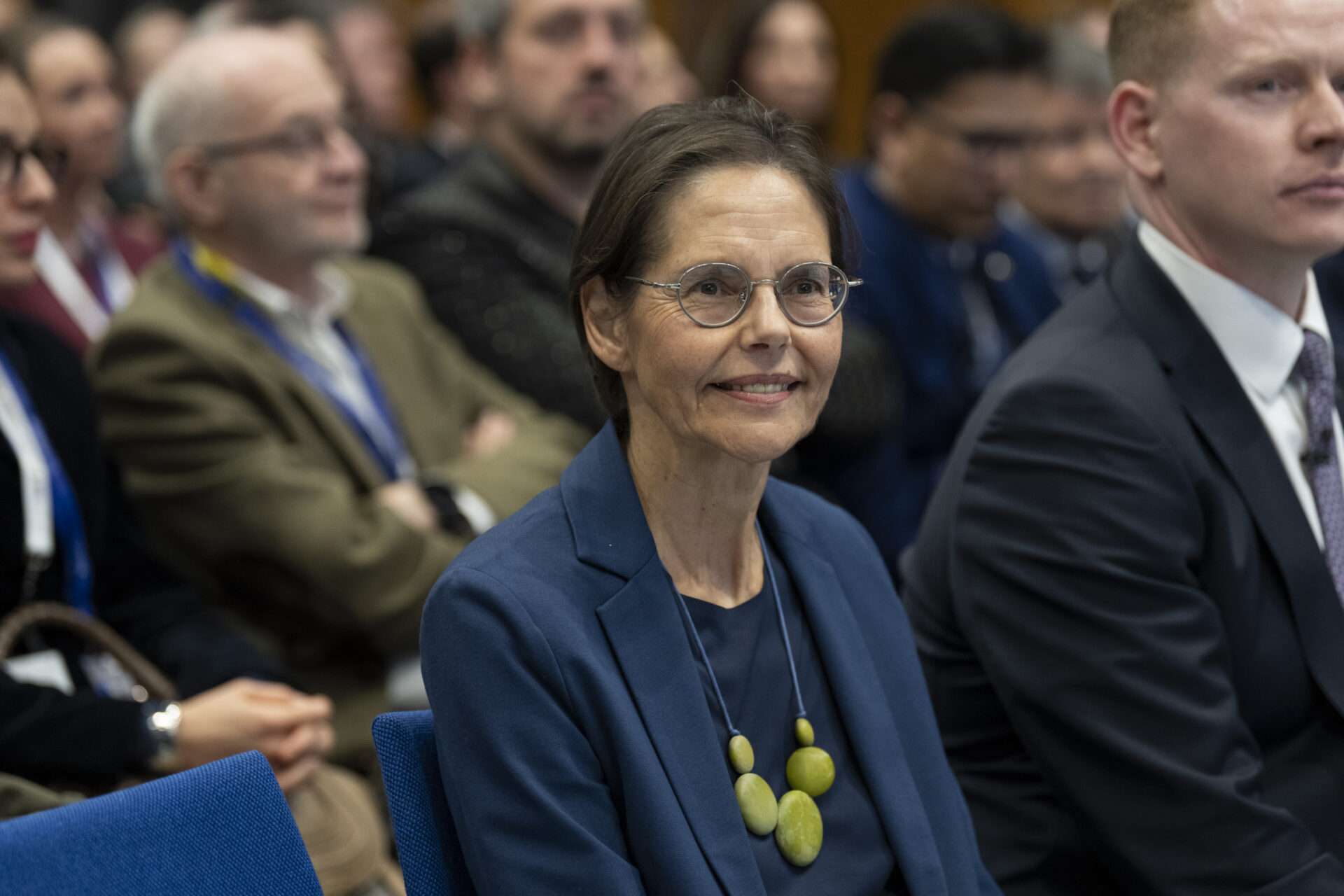
Mair questioned whether Europe should compete on Silicon Valley’s terms. Having spent 15 years there, as she told the audience, she argued that the continent needed to recognise its own strengths rather than measure itself exclusively against the American model.
Her response did not fully resolve the practical tension between deregulation and the preservation of European values. It did, however, raise a more fundamental question: what would enable Europe to compete differently?
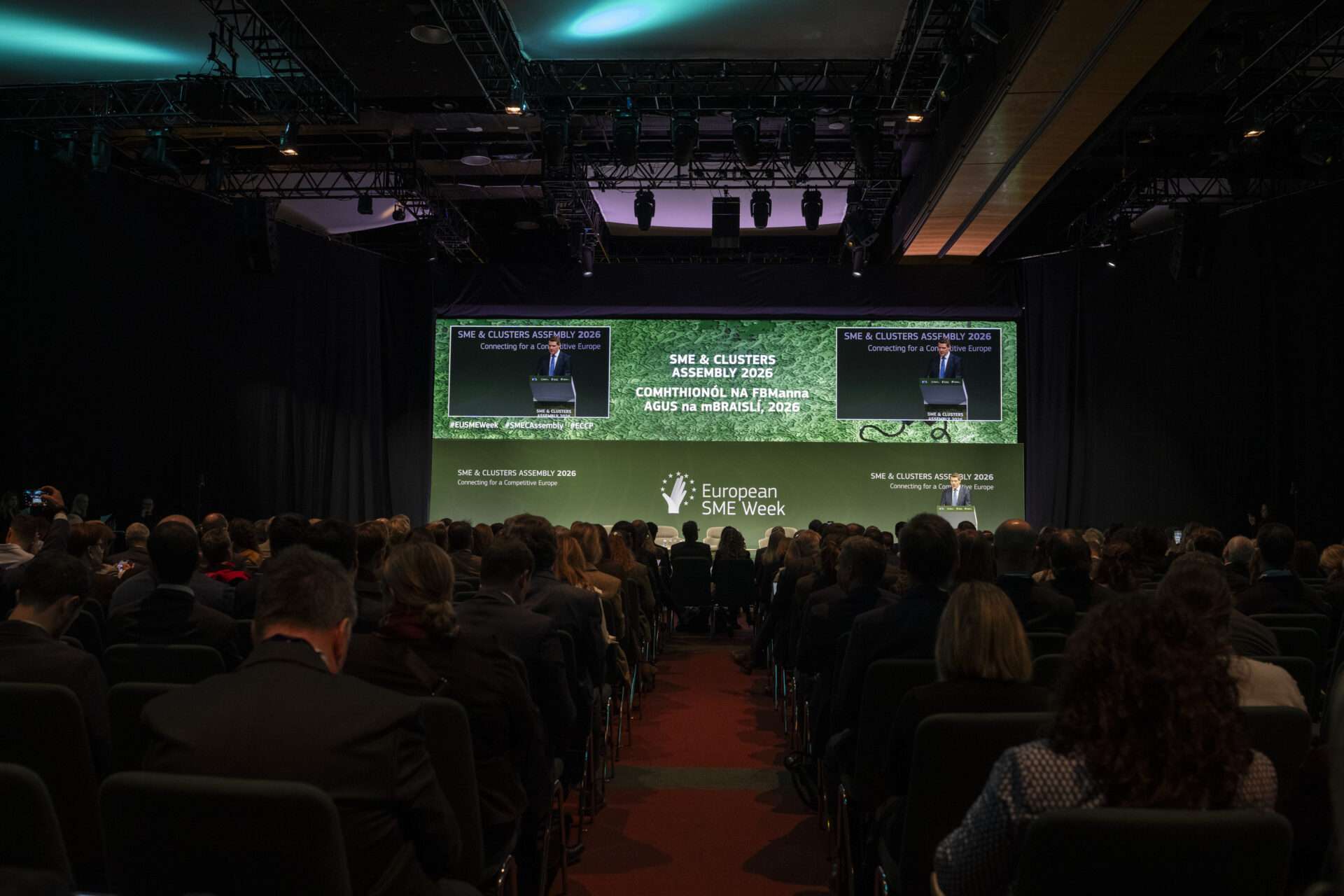
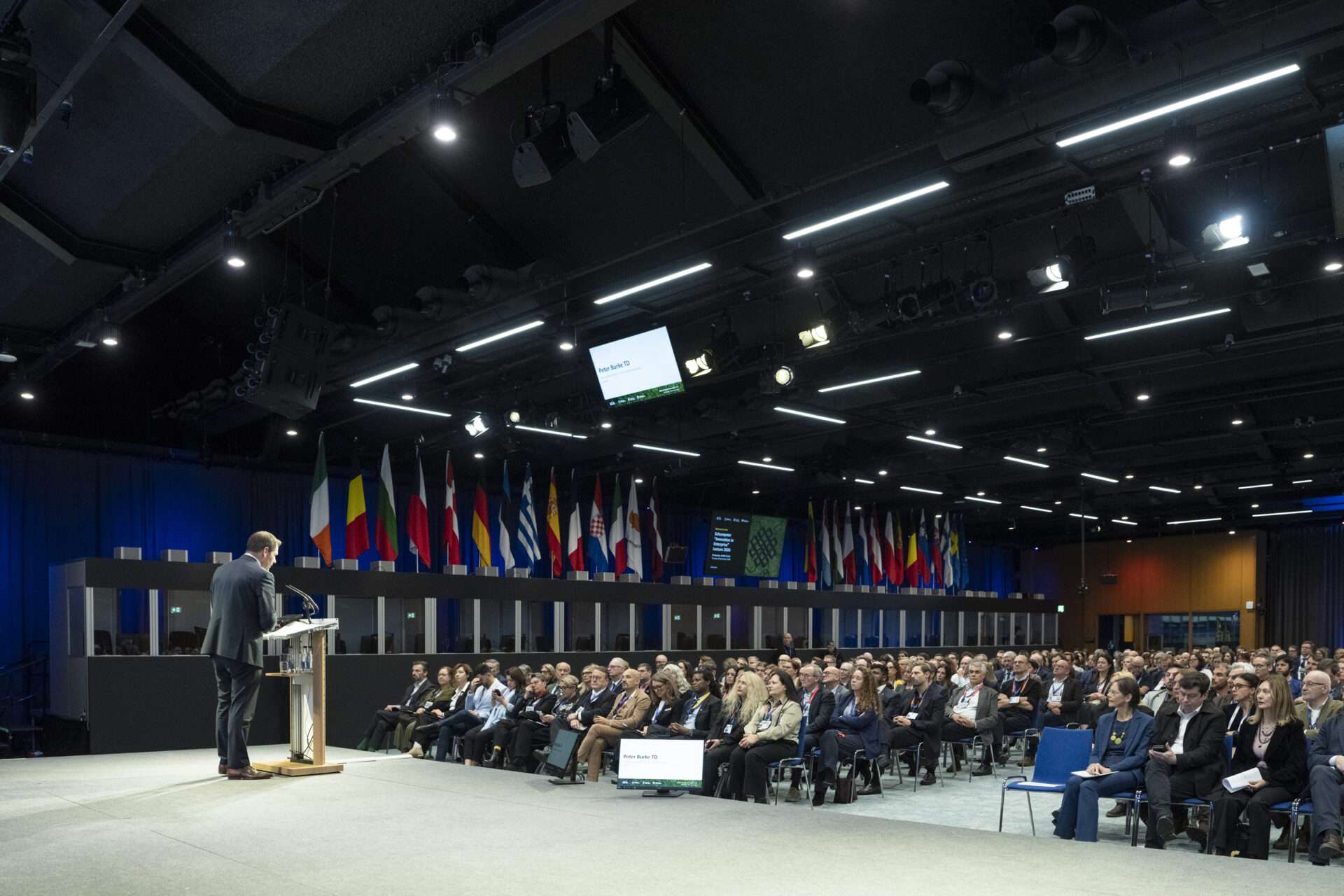
The exchange took place during the SME & Clusters Assembly, organised by the European Commission and the Irish Presidency of the Council of the European Union from 2 to 4 November.
Held under the theme Connecting for a Competitive Europe, the event brought together 559 participants from 40 countries, according to the organisers.
Europe’s venture capital gap reflects different financial structures
The comparison with the United States begins with a substantial difference in venture capital.
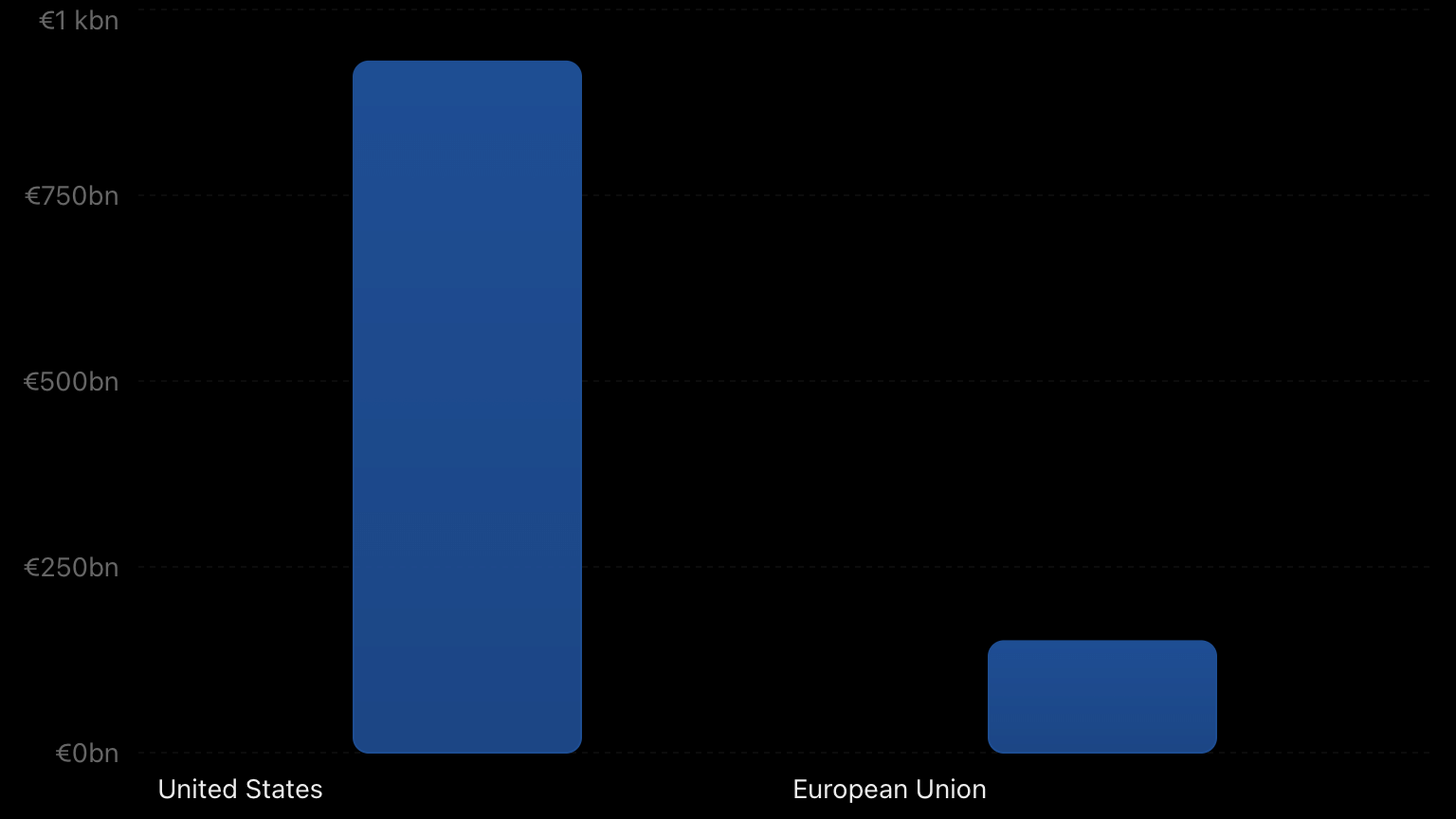
According to the European Central Bank’s 2026 analysis, Exploring the investor landscape for venture capital, the aggregate size of US-based venture capital funds amounted to approximately €930 billion, compared with €150 billion for funds located in the European Union.
The ECB defines total fund size as the capital committed by a fund’s limited partners. These figures therefore describe the aggregate size of funds in its PitchBook sample, not annual investment flows into businesses.
Venture capital fund size in the EU and the United States
Aggregate fund size, € billion
The difference extends to the sources of capital. Government entities account for about one-third of the limited partners, or investors, in EU venture capital funds, compared with 4% in the United States. Pension funds and foundations play a more prominent role in the American market.
The ECB calculates this breakdown using the number of investments made by limited partners. Its findings remain broadly similar when estimated capital commitments are used instead.
Regulatory history helps explain the divergence. The ECB identifies US pension reforms during the 1970s, notably those associated with the Employee Retirement Income Security Act (ERISA), as an important factor in encouraging pension funds to invest in riskier assets. The relaxation of the prudent person principle contributed to that development.
The comparison is not merely historical. The ECB considers the EU to be in a position similar to that of the United States before the ERISA reforms, with recent European proposals seeking to increase institutional investment.
That assessment highlights the potential importance of pension regulation, although any reform would still need to balance investment opportunities against the protection of beneficiaries.
The geographical destination of venture capital also differs. Between 2015 and 2025, more than half of the investments made by EU-located venture capital funds went to companies outside the Union, compared with approximately 20% of US funds’ investments going abroad.
These figures describe distinct aspects of the venture capital market: the aggregate size of funds, the composition of their investor base and the destination of their investments.
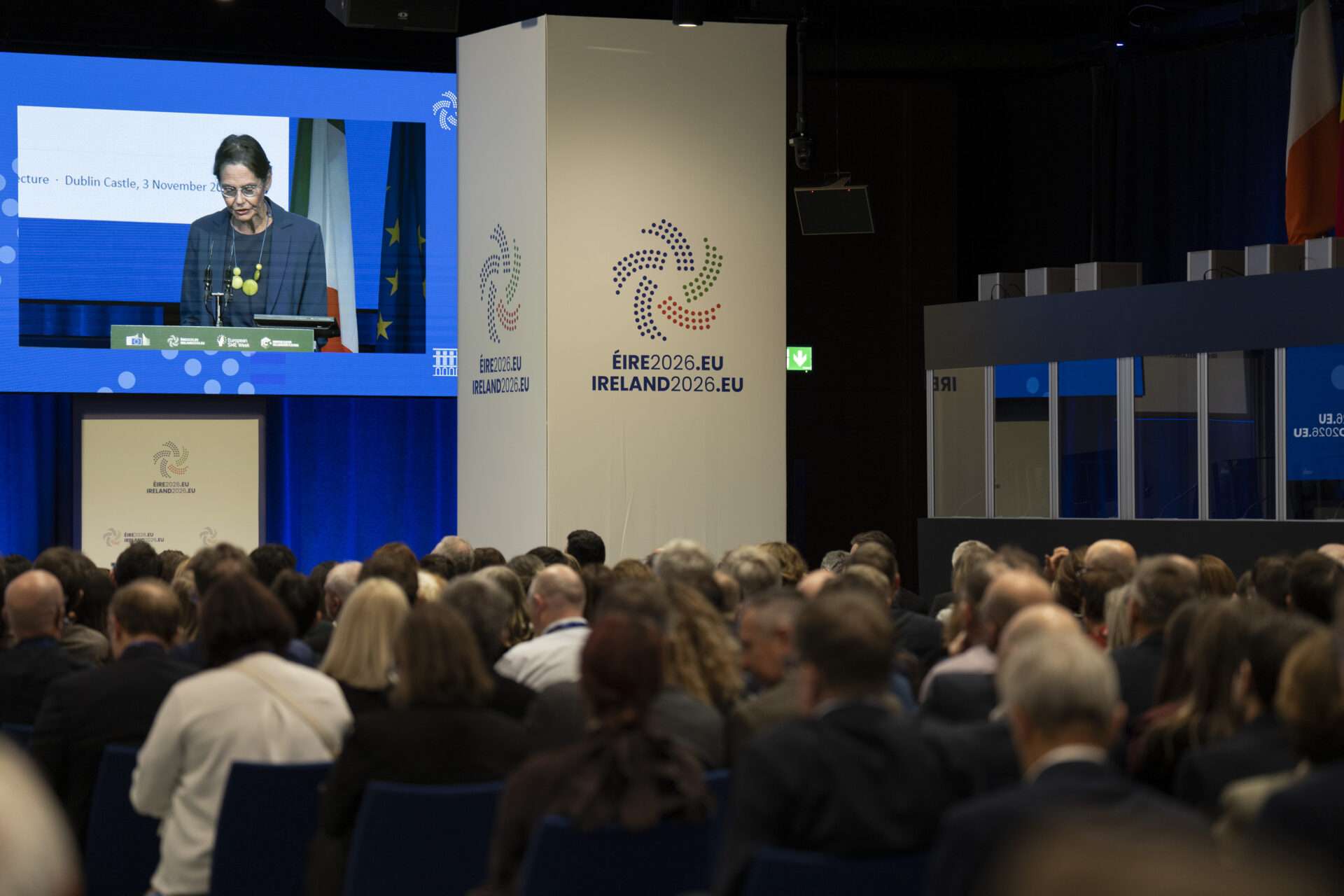
Professor Johanna Mair did not examine venture capital structures during her lecture.
The ECB’s findings nevertheless provide an economic illustration of her wider argument: institutions influence how resources are mobilised and made available to businesses.
The comparison also has limits. Venture capital primarily finances companies pursuing rapid growth through equity investment. It does not represent the full range of financing available to European SMEs, many of which depend on bank lending and retained earnings.
Additional capital, moreover, cannot guarantee that businesses possess the skills, infrastructure or commercial relationships needed to use it productively.
The wider challenge of building the conditions for businesses to grow was central to her argument.
From Schumpeter’s creative destruction to creative reconstruction
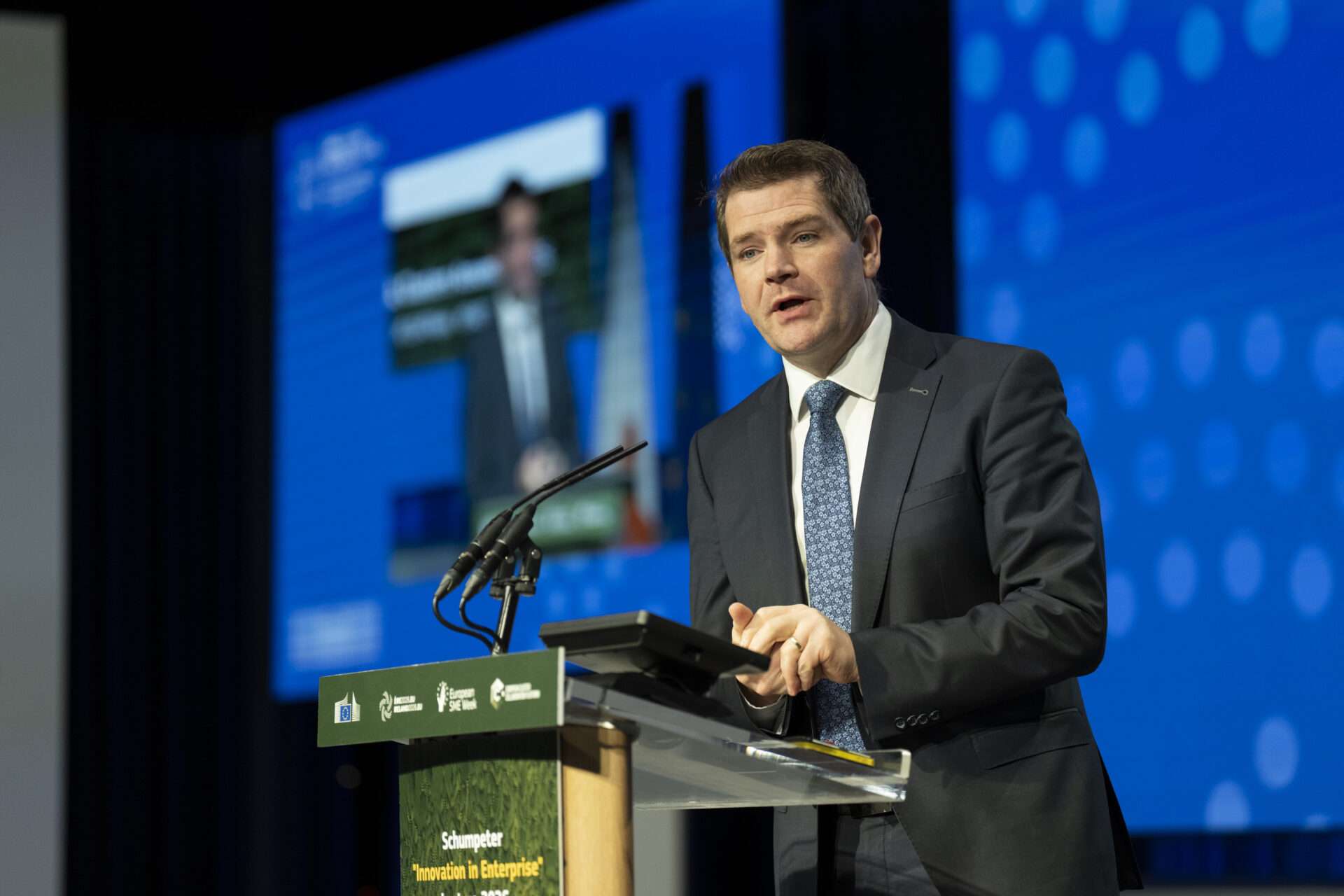
Ireland’s Minister for Enterprise, Tourism and Employment, Peter Burke, opened the evening by recalling the country’s contribution to economic thought.
Trinity College Dublin established a chair of political economy in 1832, while Ireland’s entrepreneurial history includes the development of aircraft leasing and the emergence of Stripe, founded by brothers Patrick and John Collison.
Burke’s examples highlighted the capacity of entrepreneurs to challenge established practices.
The professor then turned to Joseph Schumpeter’s theory of creative destruction to explore how entrepreneurial change reshapes economies.
New products, production methods and businesses displace established activities, changing the structure of markets and industries.
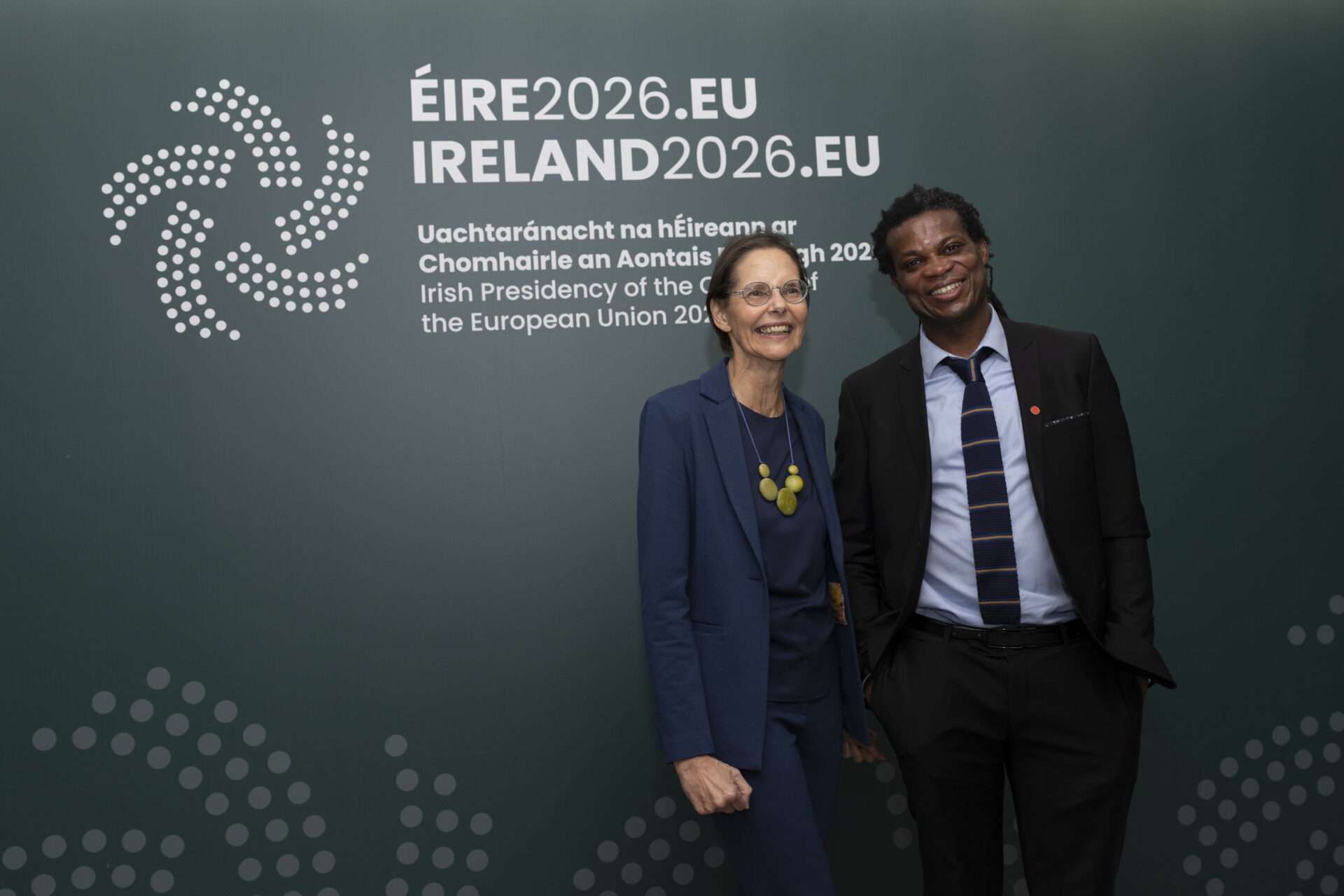
For Johanna Mair, Director, Florence School of Transnational Governance European University Institute , Schumpeter’s analysis remains relevant. But explaining how an economy changes is not the same as establishing whether that change improves people’s circumstances.
A business may transform an industry without necessarily improving working conditions or economic opportunities. Equally, dismantling an outdated institution does not automatically create a better alternative.
The concept of creative reconstruction addresses precisely this challenge: what needs to be built as existing arrangements change?
It does not mean restoring the past. Some institutions protect established interests, exclude potential participants or obstruct necessary reforms. Others provide the stability, infrastructure and support on which businesses and communities depend.
The task is to renew what remains useful, replace what no longer works and develop capabilities that do not yet exist.
She described the support required for economic transformation as a form of scaffolding: usable knowledge, transition finance, skills, social protection, public infrastructure and institutions capable of coordinating action.
Some arrangements may be temporary. Others, including education and infrastructure, need to endure.
A further distinction lies between distributed agency, which allows individual businesses and organisations to experiment and pursue opportunities, and collective agency, which enables them to achieve what they cannot accomplish independently.
Europe needs both. Public authorities cannot anticipate every useful commercial experiment, but an individual company cannot provide the energy infrastructure or wider institutional support on which its activities depend.
The challenge, therefore, is not to choose between entrepreneurship and collective action, but to organise their relationship.
Industrial clusters can help SMEs overcome the limits of acting alone
The distinction between individual and collective agency can be illustrated by a group of small manufacturers seeking to introduce a cleaner production process.
Each company might be willing to experiment, yet none could necessarily afford the testing facilities, specialist training or technical expertise required to adopt the technology independently.
An industrial cluster could enable them to share equipment, knowledge and investment costs. But a network does not automatically translate into collective capacity. Cooperation requires organisation, funding, agreed priorities and ways of resolving disagreements.
Governance is therefore an economic issue.
- Who decides which technologies receive support?
- Can smaller companies influence investment priorities?
Are new entrants able to participate, or does access remain in the hands of established members?
The argument is that governance must be built into an innovation strategy from the outset, rather than treated as an issue to be resolved once projects are under way. Institutional innovation might take the form of shared testing facilities, financing arrangements that make experimentation more affordable, or partnerships that align training provision with emerging industrial needs.
Such arrangements rarely attract the attention given to technological breakthroughs. Yet without them, promising technologies may remain beyond the reach of smaller businesses.
Four conditions offer a way to assess whether institutions genuinely support transformation:
- capability, the resources and knowledge needed to act;
- connection, the ability to combine different strengths;
- voice, meaningful influence over decisions;
- and care, attention to how risks, responsibilities and support are distributed.
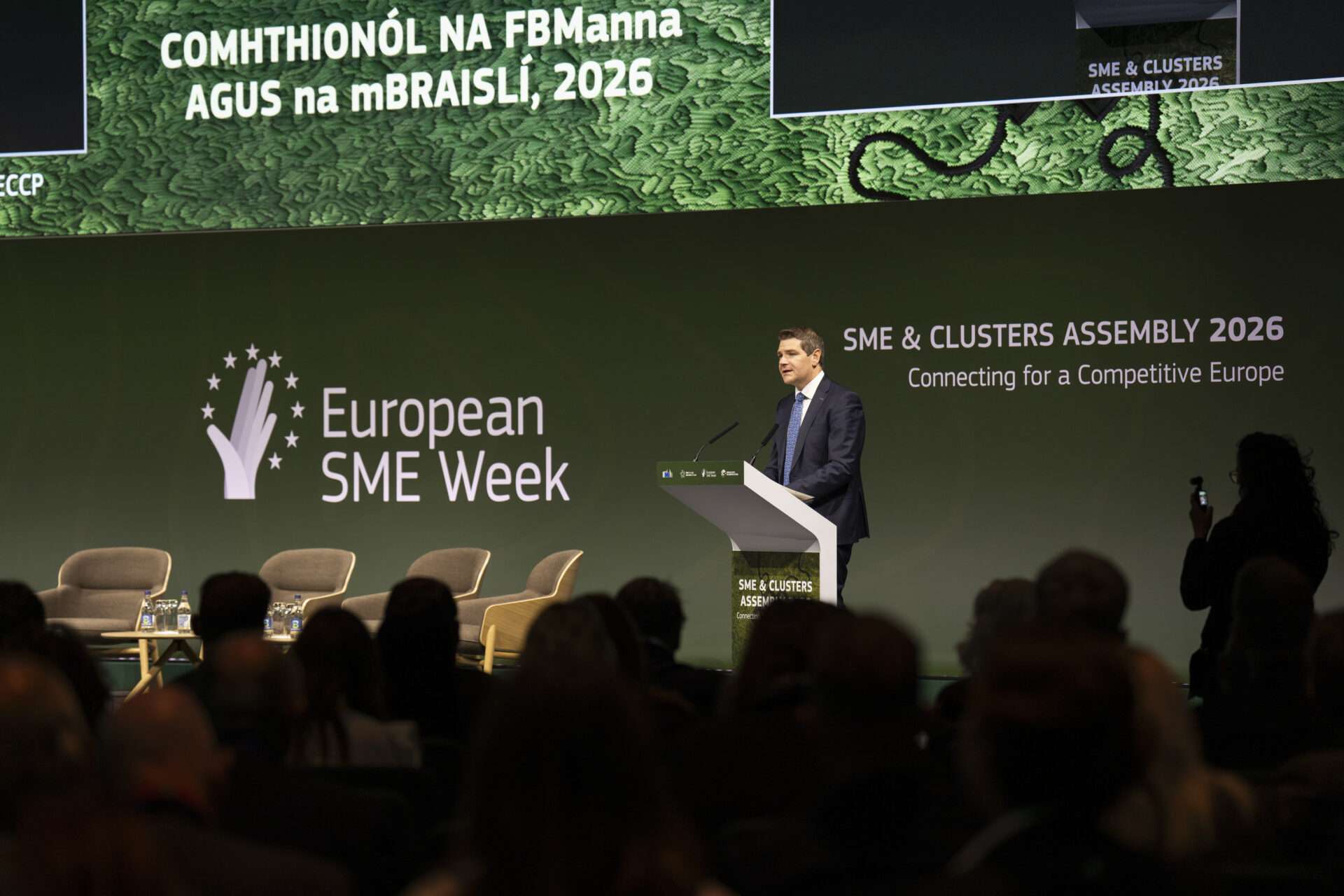
The example is particularly relevant to the SME & Clusters Assembly, which incorporated clusters into its title for the first time in 2026. The organisers presented the change as recognition of the growing role of clusters in competitiveness, resilience and strategic autonomy. The programme examined cross-border cooperation, investment, skills and the development of new business relationships.
The Assembly’s conclusions also cited an estimate that productivity in clusters is 25% above the EU average, alongside claims that SMEs within clusters grow faster and find it easier to access finance.
These figures were reported by the organisers; they do not, in themselves, establish that cluster membership leads to higher productivity. The more demanding test is whether cooperation gives smaller businesses access to resources and capabilities they could not develop on their own.
AI adoption exposes differences in business capabilities
The distinction between access to technology and the capacity to use it is particularly relevant to artificial intelligence.
According to Eurostat, 20% of EU enterprises with at least 10 persons employed used AI technologies in 2025.
Adoption varied considerably by business size: 17% among small enterprises with 10–49 persons employed, 30.4% among medium-sized enterprises with 50–249 persons employed, and 55% among large companies with 250 or more persons employed.
These statistics, which were not presented during Mair’s lecture, measure the reported use of AI technologies rather than their contribution to productivity.
They nevertheless illustrate differences in companies’ ability to adopt new tools. Larger organisations may be better placed to invest in specialist expertise, data systems and employee training, while smaller firms can face greater difficulties financing and organising those changes.
The Assembly’s closing conclusions recognised that disparity, identifying faster AI adoption as one of the priorities for European SME policy.

Europe must compete internationally on its own terms
Returning to the question about Silicon Valley, Mair challenged the assumption that Europe should measure its competitiveness against the same criteria as California.“Do we need to compete with Silicon Valley?” she asked, before arguing that Europe needed to compete on different terms.
Her argument became more concrete when she responded to questions about regional support for sustainable businesses and the value of community networks.
She described Europe’s diversity as a source of economic strength, referring to “the power of many of us and not this one standardized way of thinking about a firm”.
That distinction matters for economic policy. A technology start-up seeking international venture capital, a family-owned manufacturer investing in new equipment and a social enterprise developing local employment may all need finance, skills and access to markets. But their business models, investment horizons and measures of success differ.
A policy designed around a single ideal of entrepreneurship risks overlooking those differences. Mair also referred to an observation made by former Italian prime minister Enrico Letta about Europe’s former strength in mobile telecommunications and its subsequent loss of ground in the sector.
Rather than concentrating on what the continent lacks, she urged Europeans to recognise the strengths they could bring to international competition. Europe also needed to make better use of its Single Market and avoid allowing competing national interests to weaken its position in international economic relations.

The discussion turned to India, China and the United States.“I think we all are nervous what happens tonight,” the professor said.
The remark came on 3 November, the day of the US midterm elections. She did not explicitly identify the elections as the subject of her comment.
“Quite frankly we haven’t been prepared,” she continued, arguing that Europe needed to anticipate international developments more effectively.
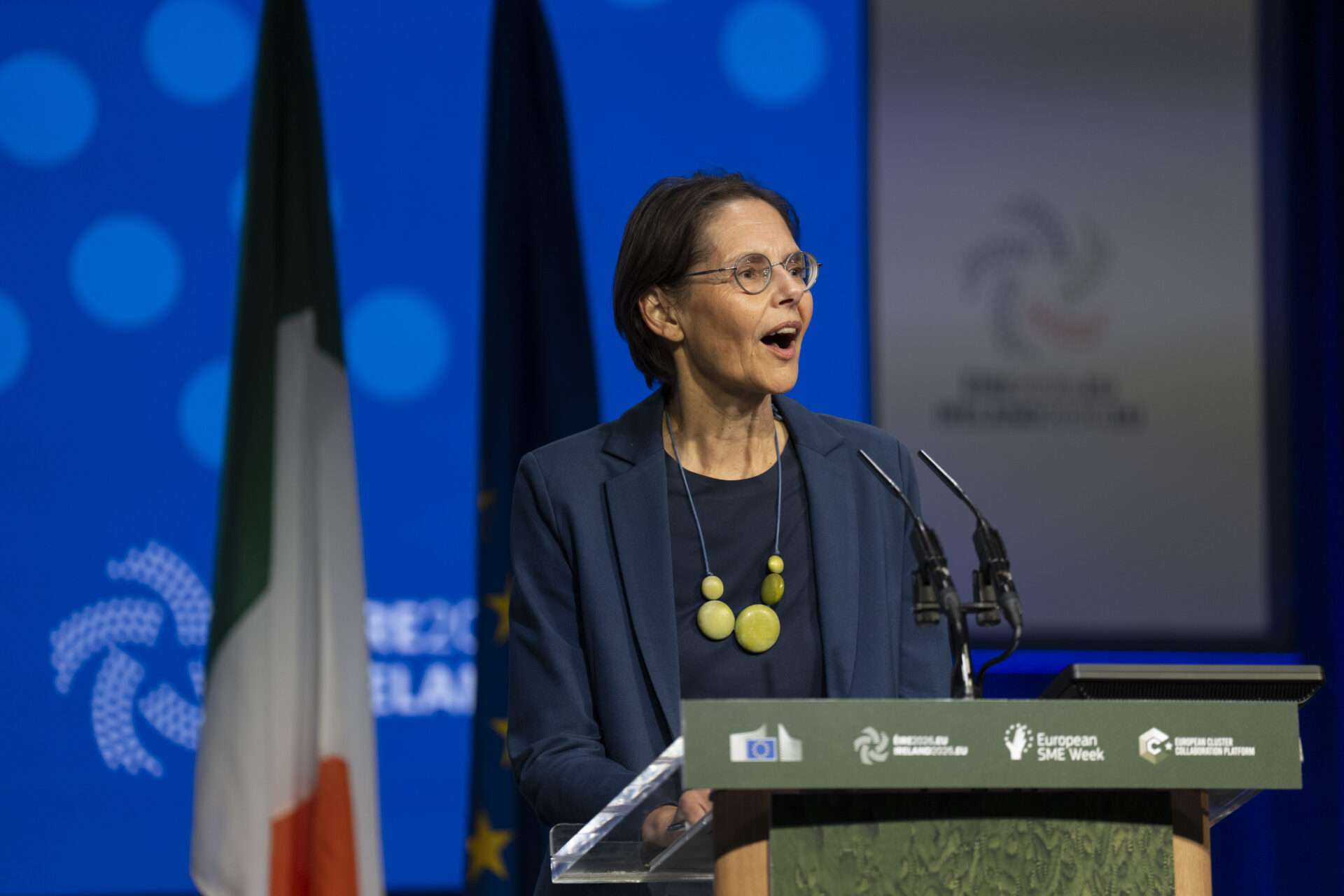
She called for stronger European engagement with India, acknowledged the need to find a way of dealing with China and cautioned against completely severing ties with the United States.
Yet confidence alone cannot close Europe’s venture capital gap or resolve the practical difficulties businesses face when expanding internationally. Her intervention was less a detailed competitiveness strategy than a challenge to the assumptions behind one. Europe should strengthen its existing capabilities without treating the American model as the only possible route to economic success.
Public responsibility and democratic accountability shape economic change
Public responsibility and democratic accountability remain essentialThe audience discussion also raised a question beyond business competitiveness: who is responsible for making economic transformation work, and who gets a say in the decisions?
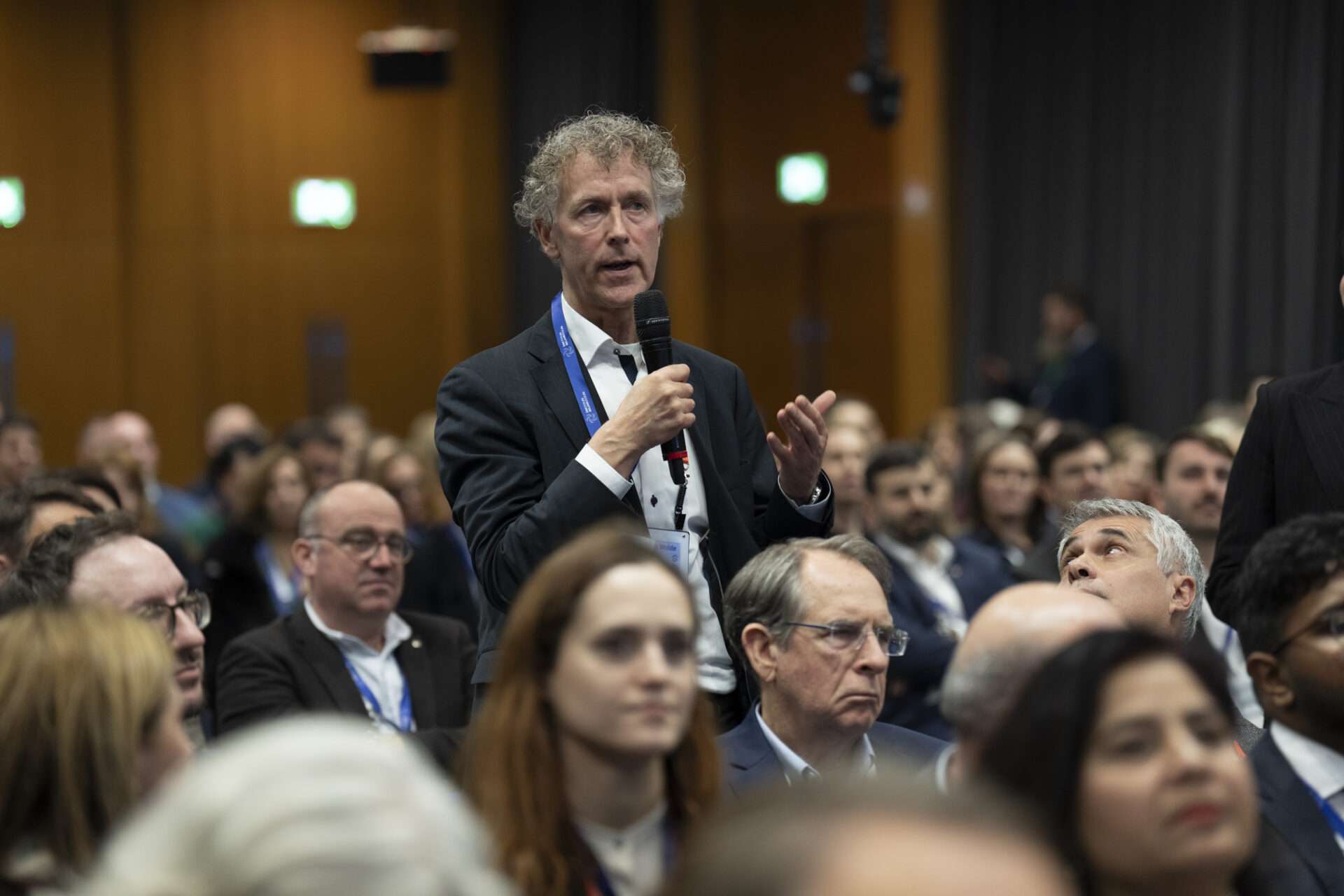
An audience member representing a network of 15,000 sustainable SMEs asked how regional centres could support businesses through the digital and green transitions.
In response, she welcomed regional cooperation but cautioned against allowing it to displace the responsibilities of national governments.
The relationship between regional initiatives and national economic policy, she suggested, also needed attention.

Kave Bulambo, an entrepreneur from Berlin, raised a related issue: how could the economic contribution of community networks gain greater recognition?
The professor highlighted their importance, particularly for entrepreneurial initiatives that do not fit conventional business categories.
Beyond providing access to resources, such networks can offer valuable support to people whose activities might otherwise fall through the gaps in established support systems.
Both exchanges pointed to a broader distinction. Businesses and networks cannot provide all the conditions needed for economic development. Fair regulation, social protection and democratic accountability remain matters of public responsibility.
This question of accountability also informed the lecture’s examination of Schumpeter’s understanding of democracy. While recognising the importance of political leadership and competition for power, the speaker argued that citizens need a more meaningful role in influencing decisions that shape their lives.
The discussion then turned to trade unions and their place in managing innovation, particularly when technological and organisational change creates tensions in the workplace.
She called for greater openness to institutional innovation among trade unions, while emphasising that their role remained essential. Her criticism, she acknowledged, did not apply equally to every organisation.
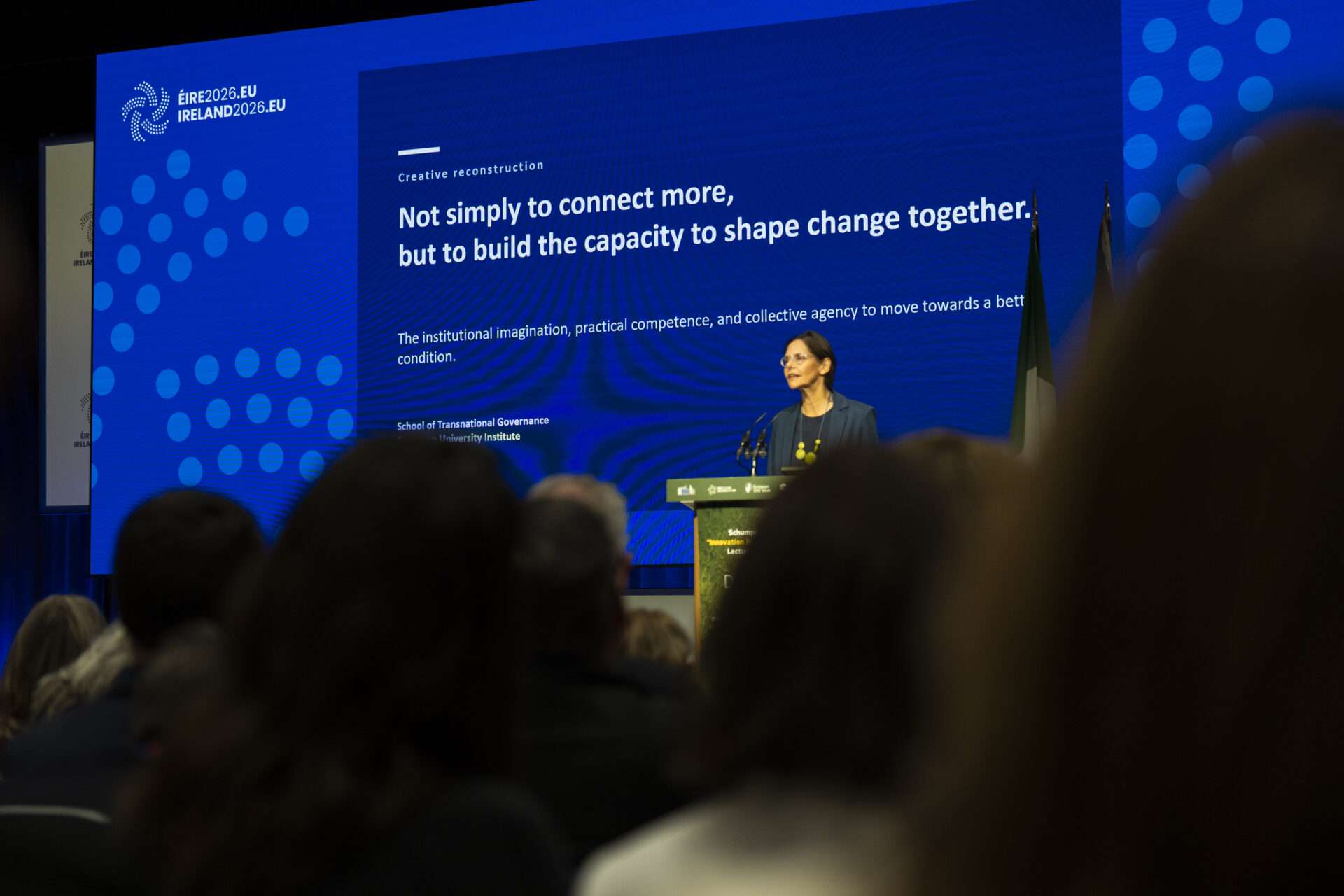
The underlying argument was that preserving Europe’s social model cannot mean shielding its institutions from change. They must also be capable of renewing themselves.
A final question addressed the political commitment required to make new governance arrangements work. The response was direct:
The moderator had earlier joked that institutional reform might have to wait another eight or nine weeks, until the end of Ireland’s Presidency.
The exchange brought the discussion back to a central point: Europe’s competitiveness depends not only on investment, technology and business cooperation, but also on political leadership, accountable institutions and the capacity to turn decisions into action.

The Assembly calls for more consistent rules and simpler procedures for SMEs
The closing session focused on the regulatory changes needed to make EU rules easier for smaller businesses to navigate. Anna Athanasopoulou, Director for Simplification and Networks at the European Commission’s DG GROW, Ross Church, Ireland’s SME Envoy, and Sandra Parthie, President of the Employers’ Group at the European Economic and Social Committee, presented the main policy priorities emerging from the Assembly.
The Commission pointed to its 12 omnibus simplification proposals and its target of reducing recurring administrative costs for SMEs by 35% by 2029.
Delegates also called for outdated legislation to be reviewed and for EU rules to be applied more consistently across member states.
A further proposal was a pact against gold-plating, whereby national authorities add requirements when implementing EU legislation. The Commission’s proposed toolkit includes an AI-enabled tool to help identify such additions.
Ireland offered a practical example of administrative simplification, reporting a reduction of up to 47% in the number of questions on Local Enterprise Office grant application forms.The Assembly’s conclusions are intended to inform the work of the European institutions and the Network of SME Envoys.
Europe’s competitiveness will depend on what institutions deliver
The lecture did not set out a detailed industrial strategy or a ready-made formula for Europe’s competitiveness. Its contribution was to challenge the way economic progress is assessed. Beyond innovation, investment and policy commitments, the question is whether the institutions supporting Europe’s economy can make lasting change possible.
This raises a more fundamental test. Do the arrangements governing economic activity enable businesses and communities to shape their future, respond to change and create opportunities that would otherwise remain out of reach?
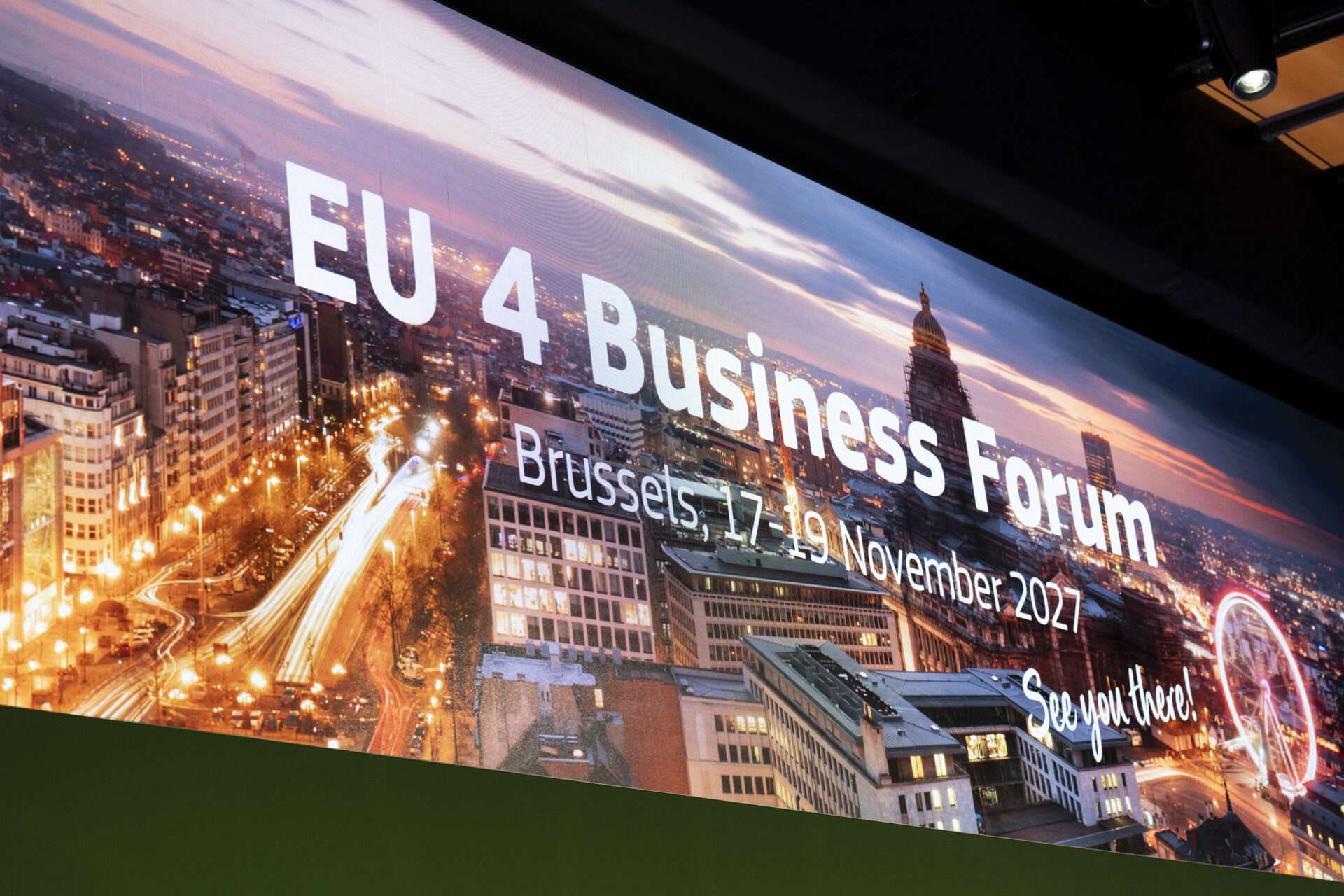
The Assembly’s conclusions will feed into further work by European institutions and the Network of SME Envoys, ahead of the first EU for Business Forum, scheduled to take place in Brussels from 17 to 19 November 2027.
That meeting will provide another opportunity to assess progress. Ultimately, Europe’s ability to compete differently will depend not on the ambition of its policies alone, but on what they make possible in practice.






















A particularly thought-provoking article that invites us to rethink the very meaning of European competitiveness.
Johanna Mair makes an important point: technological innovation, investment and regulatory simplification alone are not enough to secure long-term economic success. The real strength of an ecosystem also lies in its ability to foster collaboration, develop collective capabilities and build institutions that can support lasting transformation.
I particularly like the concept of “creative reconstruction”. Innovation is not simply about dismantling existing models and replacing them with new ones; it is about creating the conditions in which businesses, particularly SMEs, can adapt, evolve and thrive.
Perhaps Europe does not need to replicate the Silicon Valley model, but rather make better use of its own distinctive strengths: the diversity of its regions, the richness of its innovation ecosystems, the ability of different stakeholders to work together, and the strength of its institutions.
At a time of profound economic and geopolitical change, competitiveness should be measured not only by productivity and growth, but also by our ability to build a more resilient, inclusive and sustainable economy.
An important contribution to the debate on Europe’s economic future. Thank you for sharing these insights.
This really makes you stop and think!
Are we asking the right questions about Europe’s competitiveness? Perhaps the challenge is not simply to innovate faster or invest more, but to rethink how we connect businesses, institutions, people and ideas.
I find Johanna Mair’s perspective particularly compelling. Europe’s diversity should be seen as an asset, not a complication. Our ability to collaborate across sectors, borders and disciplines could be one of our greatest strengths.
Less imitation, more imagination. Less competition for its own sake, more cooperation to create lasting value.
A great read and, above all, an important conversation to have!
A timely and thought-provoking perspective on Europe’s competitiveness. Innovation alone is not enough, Europe must strengthen its institutions, empower its businesses and turn cooperation into tangible results.